Reconditioned
Remanufactured Products: The Future of Responsible Digital Technology
Remanufactured products emerge as a superior solution to refurbished: a complete industrial process
Quentin
July 7, 2026

Remanufactured products emerge as a superior solution to refurbished: a complete industrial process
Digital technology accounts for approximately 3 to 4% of global greenhouse gas emissions, and its share increases every year due to the growth in usage, equipment, and data centers. In France, the digital footprint could significantly increase by 2030 if nothing is done to alter this trajectory (Arcep scenarios/ADEME). However, solutions exist to reduce this impact now, particularly by extending the lifespan of equipment. Refurbished products are now well-known, but the next step up, which is more demanding and higher-performing, is remanufactured.
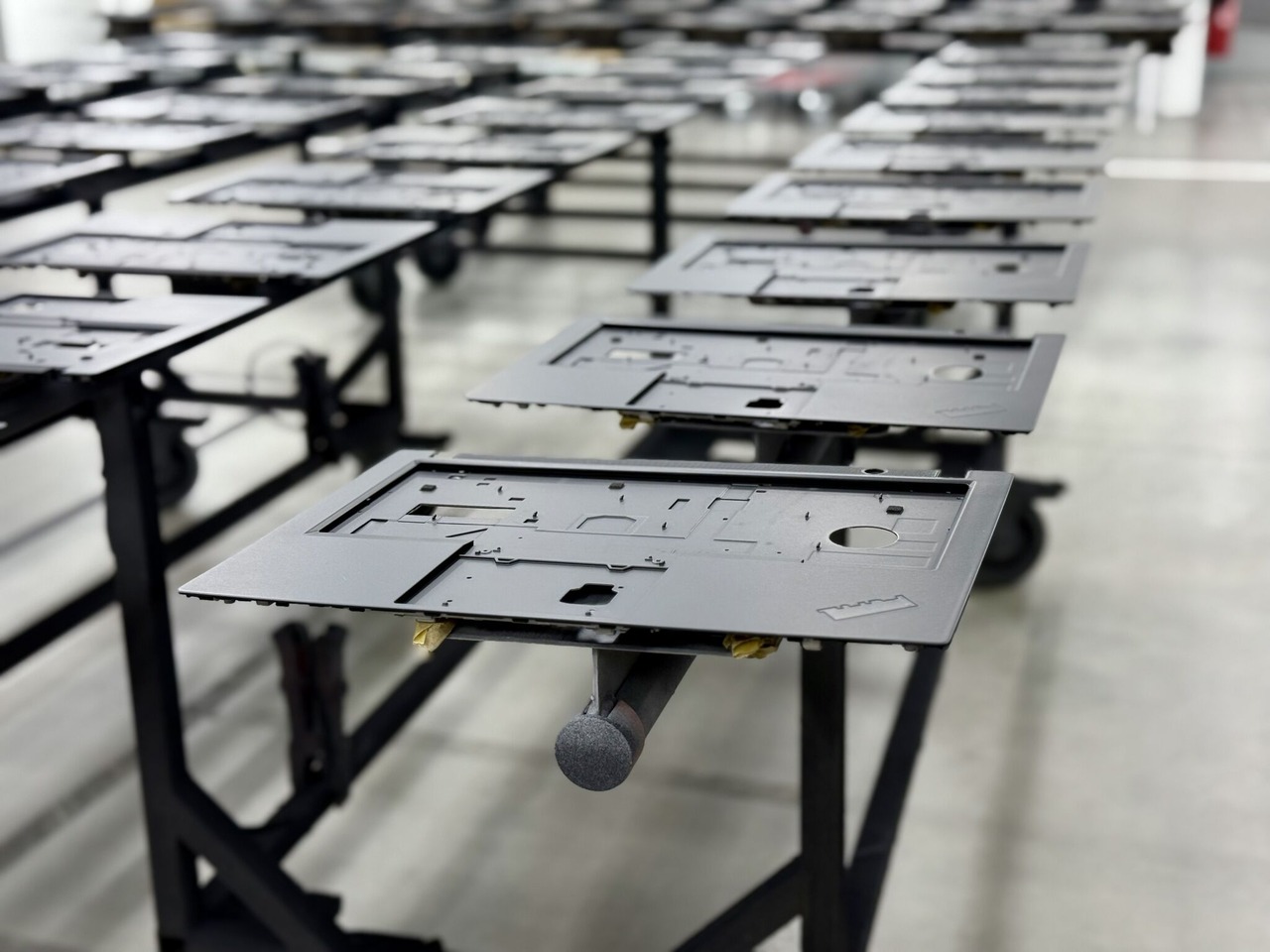
Remanufacturing refers to a complete industrial process that restores a product to a 'like-new' performance state, with a comparable warranty, through full disassembly, systematic replacement of wear parts, upgrades, and final testing according to standardized procedures ISO 8887 / ISO 14001. Unlike refurbishment (which generally limits itself to cleaning, functional testing, and occasional repairs), remanufacturing follows a structured value chain: collection, sorting, disassembly, inspection, replacement of critical components, reassembly, end-of-line testing, and documented quality control.
Remanufactured vs. Refurbished: The Key Difference
Refurbished products focus on functional restoration at a controlled cost, without necessarily replacing all wear parts or aiming for a 'like-new' equivalence. Remanufactured products, on the other hand, apply a standardized and documented industrial process aiming for performance and reliability equivalent to new, coupled with an extended warranty. This difference in treatment depth explains lower return rates and superior performance stability for remanufactured items, and better comparability with new production equipment
1) Measurable Environmental Impact
2) Economic and Operational Advantages
3) Performance, Reliability, and Compliance
Public and sectoral strategies in Europe are accelerating the circular economy for digital equipment: sustainability requirements, availability of spare parts, eco-design, repairability, and prioritization of reuse/remanufacturing in purchasing policies. For businesses, integrating remanufactured products into their IT policy helps align footprint reduction, cost control, and compliance with CSR expectations.
The alliance between Leasétic, a leader in responsible IT leasing, and Teqcycle, a recognized expert in remanufactured products, stems from a shared vision: to offer French companies a sustainable and high-performing alternative to new equipment. This strategic collaboration combines Leasétic's expertise in flexible financing solutions with Teqcycle's technical know-how in industrial remanufacturing.
Our joint offering provides businesses with HP and Lenovo computers running Windows 11 Pro. These solutions come with tailor-made leasing options, adapted to the specific needs of each organization. Our support extends from the initial needs assessment to the buy-back of equipment at the end of the contract, ensuring a complete circular approach.
As the digital carbon footprint grows year after year, remanufactured products offer a concrete and immediately actionable solution. Going beyond refurbished, they deliver 'like-new' performance, industrial reliability, and extended warranties, while significantly reducing environmental impact and TCO.
The Leasétic x Teqcycle partnership allows you to seamlessly integrate this approach into your IT strategy: responsible financing, quality remanufactured equipment, and end-to-end support.
Contact our teams to build a remanufactured deployment plan tailored to your fleet and environmental objectives.